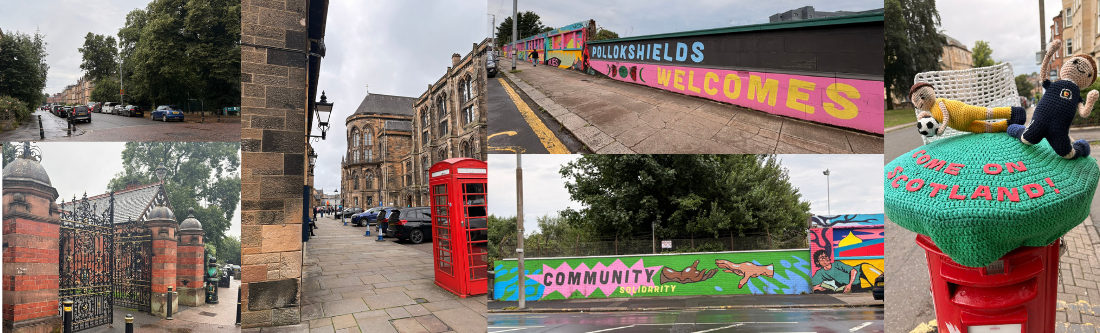
Community is often defined as a group of people connected through a shared place, culture, interest or purpose. Two recent walking tours, organised by PATH (Scotland), exploring Glasgow’s Southside and West End highlighted how migration, faith and culture have shaped communities across the city, creating places where people can connect, celebrate and support one another.
Although many of the streets and buildings visited were familiar, the tours offered a fresh perspective on Glasgow’s history and identity. Through stories of migration, faith and community spirit, they revealed how the city’s diverse populations have contributed to shaping neighbourhoods and developing a sense of belonging.
Southside: Strength in Community
The Southside tour began on Kenmure Street, a location that drew national attention in 2021 when people came together in protest after two Sikh men were detained by immigration officials. Hundreds of people gathered to oppose the action, with one protester famously positioning himself underneath an enforcement vehicle to prevent it from leaving. The incident demonstrated the strong sense of solidarity that exists within the local community, particularly in an area known for its cultural diversity.
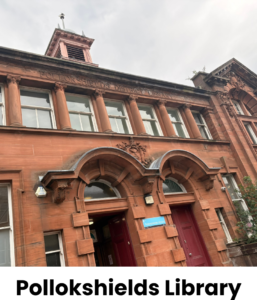
From there, the group visited Pollokshields Library, a striking red sandstone Edwardian building. Alongside providing books in both English and Urdu, the library has supported young people through educational programmes and opportunities for learning. The building stands as an example of how public spaces can help strengthen communities by making education and resources accessible.
The tour then moved to Albert Drive, often regarded as one of Scotland’s most multicultural streets. Here, different faiths and cultures exist side by side, with St Albert’s Catholic Church, Glasgow Gurdwara and nearby Masjid Noor Mosque all located within the area. Guides explained how communities from the different faiths regularly support and celebrate one another during religious festivals and important occasions, helping to foster mutual understanding, respect and community togetherness.
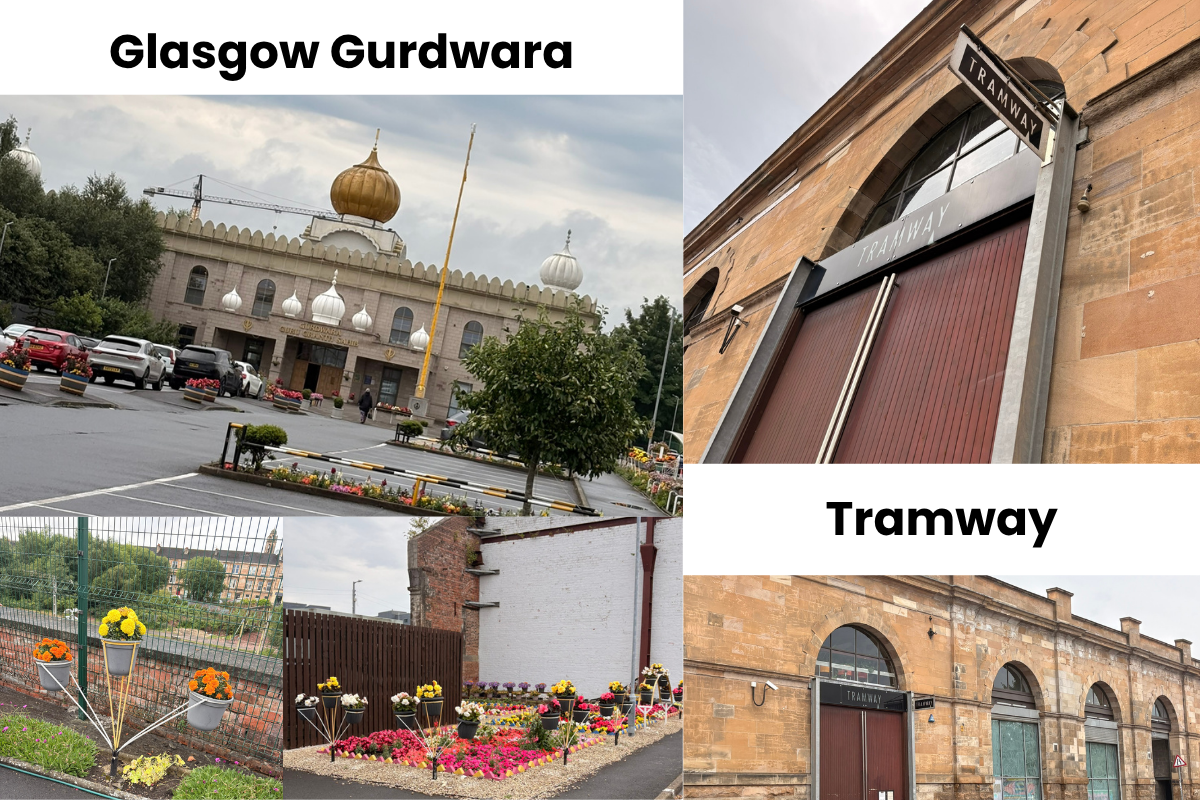
The Glasgow Gurdwara provides an especially powerful example of community in action. In addition to serving as a place of worship, it operates a community kitchen that welcomes everyone regardless of faith or background. Outside the building, vibrant marigolds are a common feature. Although originally native to Central and South America, the flowers have become deeply woven into South Asian culture and are often associated with celebration, devotion and religious observance.
Nearby, the Tramway site offers another example of how migrant communities have helped shape Glasgow’s cultural landscape. Following its closure as a tram depot, the space became a gathering point for South Asian communities hosting melas, cultural festivals that brought together families through music, food and celebration. These events allowed younger generations to maintain connections with their heritage while sharing their culture with others. The Tramway operates as a contemporary art and performance space.
The Hidden Gardens, which opened in 2003, continues this tradition of bringing people together. Designed as a space for reflection and connection, the gardens host free events and activities, creating opportunities for residents to meet, learn and build relationships.
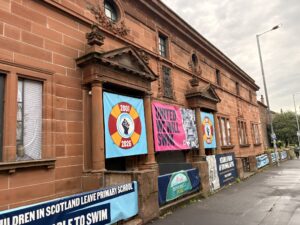 Another significant stop was Govanhill Baths. Opened in the early 20th century, the baths were once an important part of daily life, providing facilities for washing, socialising and community interaction. When plans were announced to close the building in the early 2000s, local residents launched a high-profile campaign to save it. Today, under the stewardship of Govanhill Baths Community Trust, the building continues to serve the area through health, wellbeing and community initiatives.
The tour concluded on Allison Street, one of Govanhill’s longest streets. Over the decades, the street has welcomed Jewish, Italian, South Asian and, more recently, Eastern European communities. Its businesses, homes and public spaces reflect the many different groups who have helped shape the neighbourhood’s identity.
West End: Connections Across Cultures
The West End tour began outside Al-Furqan Mosque near St George’s Cross. As an important place of worship and community support, the mosque has played a key role in bringing people together and providing assistance to local residents.
Walking through the West End’s leafy streets highlighted the ways in which migration influences everyday life. Along Woodlands Road, businesses such as KRK have served generations of customers by providing products that connect people to their cultural traditions and family histories. These businesses not only support specific communities but also contribute to the rich diversity of Glasgow’s food and retail landscape.
The group also visited Guru Nanak Gurdwara, established during the 1960s to serve Glasgow’s growing Sikh population. Like many Sikh temples around the world, it welcomes visitors from all backgrounds and offers food, shelter and support to anyone who needs it. Inside the Darbar Sahib, the Gurdwara’s main hall, traditions of equality, hospitality and respect are reflected in both its practices and atmosphere.

A visit to the University of Glasgow highlighted another important aspect of migration and diversity within the city. The university attracts students from around the world, bringing a wide range of perspectives, experiences and cultures into Glasgow. For many international students, the city becomes a second home and an important part of their personal journey.

The final stop was the Botanic Gardens and Kibble Palace. The story of Kibble Palace, whose structure was transported and reconstructed in its current location during the nineteenth century, provided an interesting parallel with themes of migration and adaptation. Like many people who have come to Glasgow over the years, the structure found a new place to grow and thrive.
Today, the Botanic Gardens remain a place where people from all backgrounds can gather, relax and connect. Families, friends and visitors share the space, creating a sense of community that reflects the inclusive spirit found throughout the city.
People Make Glasgow
Throughout both tours, guides shared their own experiences of life in Glasgow. Some had been born and raised in the city, while others had arrived through work, family or study. Despite their different backgrounds, a common theme emerged: the importance of community. Their stories brought many of the locations to life, while small gestures, such as sharing samples of traditional South Asian sweets, offered another glimpse into the cultures and traditions that have become part of Glasgow’s rich and diverse identity.
Each place demonstrated how communities are built through shared experiences, mutual support and a willingness to welcome others. Whether through places of worship, libraries, cultural festivals, public gardens or community campaigns, these spaces have played a vital role in shaping both individuals and neighbourhoods.
The tours demonstrated that Glasgow’s story is, above all, a story of people. Across its neighbourhoods, generations of migrants and local communities have built connections, celebrated their cultures and created places where others can find a sense of belonging.
Together, these stories highlighted that Glasgow’s greatest strength lies not only in its buildings and history, but in the people who make the city what it is and the communities they continue to nurture and shape.